


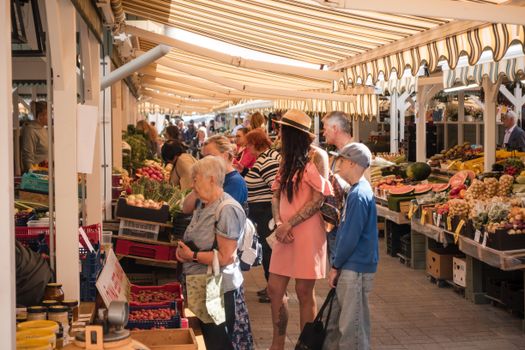
Farmers markets have long been a place where fresh produce and local food connect directly with the community. For restaurants, these markets offer more than a source of ingredients. They are a living marketing channel. By showing up at a farmers market in 2026, a restaurant can build relationships, test new dishes, and attract loyal customers long before they ever step through the dining room door. The key is to approach farmers market participation not as a sales afterthought but as a deliberate marketing investment.
This article explains how restaurants can use farmers market marketing to strengthen their brand. It covers practical strategies, customer segments worth knowing, and ways to integrate market appearances with broader marketing efforts. No matter the size of the restaurant, the same principles apply: show up authentically, tell your story, and let the food speak for itself.
Understanding Farmers Market Marketing for Restaurants
Before diving into tactics, it helps to clarify what farmers market marketing means for a restaurant. It is not simply buying a booth and selling chowder. It is using the market as a stage to introduce the restaurant’s values, ingredients, and personality to people who already care about local food. In 2026, consumers are more curious than ever about where their food comes from. A farmers market is where that curiosity meets the people who grow and cook the food.
What Farmers Market Marketing Means in 2026
The phrase farmers marketing can refer to two different things. One is a set of marketing services and coaching programs for small business owners. The other is the practice of marketing agricultural products directly to consumers through farmers markets. For restaurants, the relevant meaning is the latter. In 2026, farmers market marketing means creating a physical presence at a regulated market where farmers and food producers sell directly to the public. Restaurants can participate as vendors if they source from local producers or prepare value-added items that meet market rules.
California, for example, has approximately 655 certified farmers markets and roughly 2,700 certified producers. About 60% of those markets operate year-round, and the majority of seasonal ones run from April through October. This gives restaurants many opportunities to participate across different seasons and regions.
Why Farmers Markets Are a Valuable Marketing Channel
Farmers markets are not just places to shop. They are community gathering spots where trust is built face to face. A 2008 survey of 12 farmers markets in Nevada identified three customer clusters: Organic and Health Enthusiasts (36%), Homegrown Enthusiasts (39%), and Not Enthusiasts (25%). Each group has different motivations, but all represent potential restaurant customers. When a restaurant sets up a booth, it can speak directly to these people, answer questions, and hand them a sample that could turn them into regulars.
Direct-to-consumer strategies like selling at farmers markets also help restaurants build relationships that are hard to replicate online. According to an article from AgSouth, effective farm marketing includes selling at farmers markets, running a CSA program, building a simple website, and using social media consistently. Restaurants can adopt the same playbook. The market booth becomes a physical extension of the restaurant’s brand, drawing foot traffic that might eventually become reservations.
Strategies for Restaurants at Farmers Markets
To get the most out of farmers market marketing, restaurants need to plan their booth, their menu, and their interaction style. The following strategies are grounded in what has worked for farmers and food businesses that sell directly to shoppers.
Building a Booth Presence That Reflects Your Brand
The booth is your restaurant in miniature. Use signage that is consistent with your restaurant’s logo, colors, and tone. Display fresh ingredients that are currently on your menu. If you grow your own herbs or source from a specific farm, say so. The goal is to make the booth unmistakably tied to the restaurant name. People should walk away remembering not just the food, but the place it came from.
Keep the setup simple and approachable. A table, a banner, clear pricing, and a friendly person serving samples. Avoid clutter. The focus should be on the food and the story behind it. If your restaurant specializes in seasonal dishes, highlight what is in season that week. That aligns with the farmers market ethos of eating what is fresh and local.
Using Sampling and Storytelling to Connect
Free samples are one of the most effective marketing tools at a farmers market. They give people a reason to stop and have a conversation. Use that moment to tell a brief story about the dish. Maybe it uses tomatoes from a farm two miles away, or it is a family recipe that has been passed down. Stories stick better than price tags.
For restaurants, sampling also provides instant feedback. You can test new menu items or seasonal specials before adding them to the dinner menu. If a sample gets enthusiastic reactions, you know you have a winner. If people hesitate, you can tweak the recipe. This is market research in real time, and it costs very little beyond the ingredients themselves.
Collecting Customer Data and Building a Mailing List
A farmers market booth is a perfect place to collect email addresses and phone numbers. Offer a small incentive, such as a discount on a first visit to the restaurant, in exchange for signing up. Keep a simple clipboard or a tablet with a sign-up form. Later, use that list to send announcements about new menus, special events, or seasonal promotions.
Consistency matters. If you commit to a market every Saturday, customers will start to expect you. Over time, your booth becomes a familiar presence that reinforces the restaurant’s reputation. As the New Mexico Farmers’ Marketing Association notes, resources like market locators, recipes, and farmer support help build community. Your booth can do the same for your restaurant.

Aligning with Customer Segments at the Market
The 2008 Nevada survey showed three clusters of farmers market shoppers. While this data is older and specific to one state, it offers a useful framework for thinking about who visits markets. In 2026, these segments may have shifted, but the underlying motivations likely remain.
Organic and Health Enthusiasts
This group, making up 36% of shoppers in the survey, prefers organic produce and is less sensitive to price. They care about health, sustainability, and clean ingredients. For a restaurant, this segment is ideal for promoting dishes that highlight organic vegetables, whole grains, or special diet options such as gluten-free or vegan. Emphasize the health benefits of your ingredients and the transparency of your sourcing. These customers may become your best advocates if they trust your food.
Homegrown Enthusiasts
Homegrown Enthusiasts made up 39% of shoppers in the Nevada study. They tend to have more children, prefer local or homegrown products, and often garden or can at home. They value authenticity and local tradition. Restaurants can appeal to this group by featuring heritage varieties or classic preparation methods. Share recipes or tips for cooking with seasonal produce. This group may also be interested in a CSA partnership, where the restaurant sources directly from a farm and offers a share program tied to the restaurant menu.
The Not Enthusiasts Segment
About 25% of market shoppers fell into this group. They are less invested in organic or local labels and may be at the market out of convenience or habit. For restaurants, this segment is still worth pursuing, but the approach is different. Focus on taste and convenience. Offer ready-to-eat items or meal kits that make it easy to enjoy restaurant-quality food at home. A simple, delicious sample can win over even a skeptical shopper.
Leveraging California’s Certified Farmers Markets
California has a specific certification program for farmers markets. Certified Farmers Markets (CFMs) exempt farmers from certain state regulations about packing, sizing, and labeling that were in place until 1977. This allows producers to sell directly without the usual retail packaging requirements. In 2024, AB 2786 authorized a new category: Certified Mobile Farmers’ Market operators, which require a route schedule and sourcing only from Certified Producers or CFMs.
For restaurants, understanding this regulatory environment is important if you plan to operate in California. If you want to sell prepared food or value-added products at a CFM, you may need to comply with local health department rules and possibly obtain a mobile food facility permit. Check with the market manager and the California Department of Food and Agriculture (CDFA) for the most current requirements. By working within the system, you can use the CFM designation as a trust signal. Shoppers know that Certified Farmers Markets hold vendors to standards of direct, local sourcing.
Expanding Beyond the Market: Digital Integration
Farmers market marketing does not stop when the market closes. Integrate your booth presence with your online marketing. Post photos from the market on social media during or right after the event. Use a consistent hashtag that ties the market appearance to your restaurant. Encourage market customers to follow your restaurant for exclusive offers.
If you run a CSA program or sell meal kits at the market, promote those online as well. A simple website that lists market dates, booth location, and featured items helps customers find you outside market hours. As the AgSouth article recommends, start small and stay consistent. One market per week done well is better than three markets done poorly. Over time, the combination of in-person and digital touchpoints builds a community around your restaurant that extends far beyond the market perimeter.

Frequently Asked Questions
What is the difference between farmers marketing and farmers market marketing?
Farmers marketing can refer to a commercial marketing service that offers fractional CMO and coaching for small businesses. Farmers market marketing refers specifically to the strategies used to sell products directly to consumers at a physical farmers market. For restaurants, the latter is the relevant practice, though both share an emphasis on building relationships and telling a brand story.
How can a small restaurant afford a booth at a farmers market?
Booth fees vary widely by market location and size. Many markets offer seasonal or daily rates that are lower than a permanent retail lease. Start with one market per week and keep the booth simple. Use the booth as a marketing expense rather than a profit center. The goal is to attract new customers to the restaurant, not to generate large sales from the booth alone.
Do restaurants need special permits to sell at a farmers market?
Requirements depend on the state and the specific market. In California, Certified Farmers Markets may have different rules for prepared food vendors. You likely need a local health department permit and possibly a mobile food facility permit. Always check with the market manager and your local health authority before committing to a schedule. In New Mexico, the New Mexico Farmers’ Marketing Association provides resources for permits and funding.
How do restaurants track ROI from farmers market participation?
Track the number of email signups, coupon redemptions, and new customers who mention they met you at the market. Use a simple code or ask at the register. Also track the feedback you receive on new menu items. While direct sales from the booth may be modest, the long-term value of repeat customers gained at the market can far outweigh the booth fee and labor costs.
